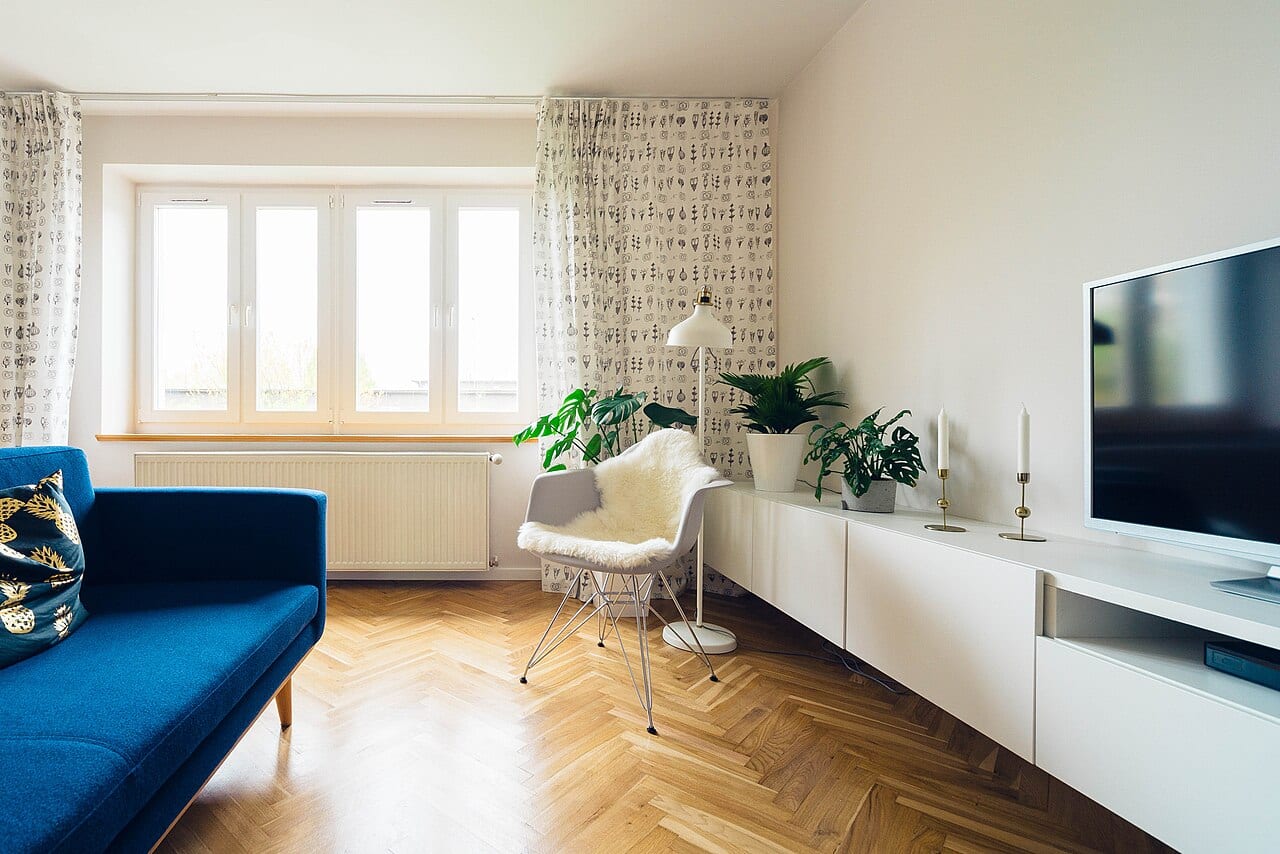
A guest room often serves as a silent indicator of a home's readiness. When you are preparing for visitors, the way a room handles the afternoon sun or the evening glow can dictate whether a guest feels truly settled or merely passing through. It is a decision involving more than just matching a color to a rug; it is about managing the atmosphere of the space through the windows.
Observing the Day's Rhythm
Before looking at catalogs, spend an hour in the rooms you intend to share. Watch how the light moves across the floor and where the shadows fall. You might find that a room feels bright and airy at noon but becomes uncomfortably warm by three in the afternoon. Similarly, consider the view from the street. A window that offers a lovely sight of the neighborhood during the day might feel overly exposed once the interior lights are turned on at night.
For example, if you are preparing a guest suite that faces a busy street, you face a tradeoff. You may want the room to feel open and connected to the outside, yet you also want to ensure the guest can sleep without feeling like they are on display. Choosing between a solution that blocks all light and one that merely diffuses it is a central part of this process. This requires weighing the desire for a view against the necessity of seclusion.
Defining the Desired Atmosphere
Think about the specific moods you want to cultivate. Do you want a breakfast nook that stays bathed in soft, filtered light, or a bedroom where the darkness can be absolute? The way a window treatment interacts with your existing furniture and the textures of your walls will change the perceived size and warmth of the room. A heavy, dark fabric might make a large room feel cozy, while a sheer, light-colored material can make a small space feel more expansive. Consider how these elements change when the sun is at its peak versus when it is setting.
As you gather these observations, write down the specific times of day when glare becomes an issue or when privacy feels most necessary. These personal details will be more useful than any technical manual when you begin to speak with a specialist. Note whether you prefer to control the light manually or if you find yourself constantly adjusting things throughout the day.
Conversations with the Supplier
When you meet with a provider to discuss your options, focus on the lifestyle requirements you have identified. Rather than searching for specific technical terms, describe the sensations you want to achieve. Ask the professional how their recommendations address the specific light patterns and privacy needs you observed in your home. You might ask how a particular option handles the heat of a bright afternoon or how easy it is to adjust the light levels throughout the day.
Inquire about the installation process and what the quoted arrangement includes regarding the final fit. If you are looking for a specific aesthetic, ask how the different materials might react to the natural light in your specific rooms. By focusing on your observations of light, shadow, and privacy, you can move from a general idea to a functional, welcoming environment for your guests. Your final decision should rest on how well the chosen solution accommodates the actual way you and your visitors live in the space.

