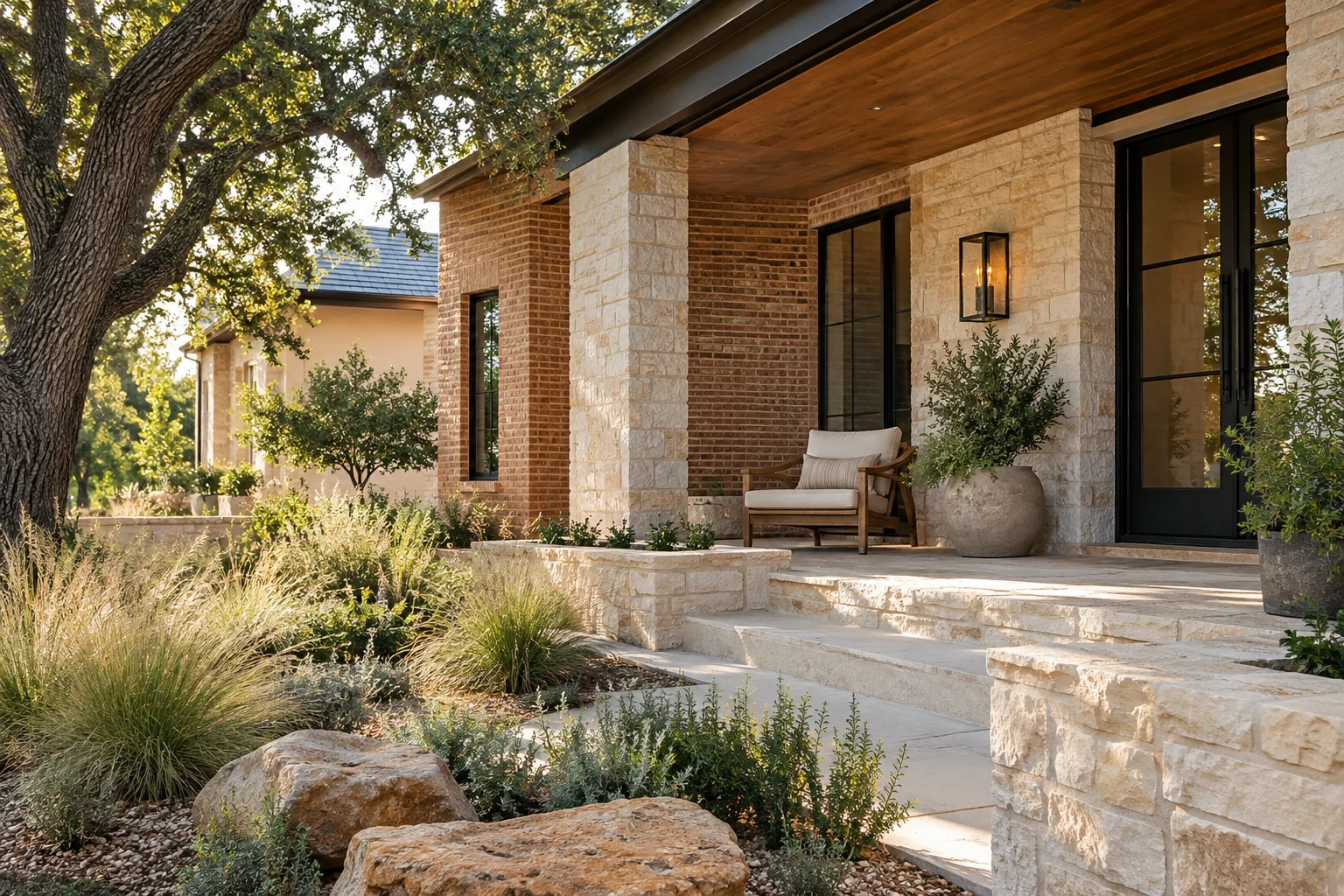
A small patio often presents a spatial puzzle. When the footprint is limited, every addition competes for the same few square feet. The mistake is often attempting to accommodate every outdoor activity at once, resulting in a cluttered space that feels cramped rather than cozy. To build a functional outdoor life, you must first decide on a single, primary purpose.
The trade-off of utility
Selecting a primary use requires a meaningful tradeoff between comfort and capacity. If you prioritize a dining setup, you might opt for a sturdy table and upright chairs. This configuration works well for meals but can feel rigid and formal if you intended to lounge. Conversely, choosing a conversation-focused layout might involve deep-seated armchairs and a low coffee table. While this invites long afternoons of relaxation, it may make it difficult to host a formal dinner or even enjoy a cup of coffee without a stable surface nearby.
For example, if you find yourself torn between a reading nook and a social hub, consider your daily rhythm. If your afternoons are spent seeking solitude with a book, a single comfortable chair and a small side table might be the most efficient use of the space. However, if your evenings are defined by hosting neighbors, that same footprint might be better served by a small bistro set that allows for face-to-face interaction.
Testing the arrangement
Once a purpose is chosen, do not commit to a purchase based on a showroom floor alone. The dimensions of your specific patio will dictate how much room remains for movement. A common way to test a layout is to use temporary markers or existing household items to mimic the footprint of new furniture. This allows you to observe how much space is left for walking paths and whether the arrangement feels obstructive.
Observe how you move through the area. Can you reach the door without sidestepping a chair? Is there enough room to pull a seat back from a table without hitting a wall or a planter? Testing these positions helps prevent the frustration of a beautiful but unnavigable space.
Navigating the logistics
Beyond the furniture itself, the practicalities of the patio's location and access deserve attention. Moving items in and out of the house or managing the flow between the indoor and outdoor environments is a vital part of the experience. When considering new additions, ask your supplier how the pieces are delivered and if they require specific assembly on-site. If you are working with a contractor to modify the existing structure, ask how the proposed changes will affect the existing drainage and the ease of access from your primary living areas.
Ultimately, the most successful small patios are those that do one thing exceptionally well. By choosing a clear intention—whether it is dining, reading, or conversation—you ensure that your outdoor space remains a deliberate extension of your home rather than a collection of mismatched objects.

