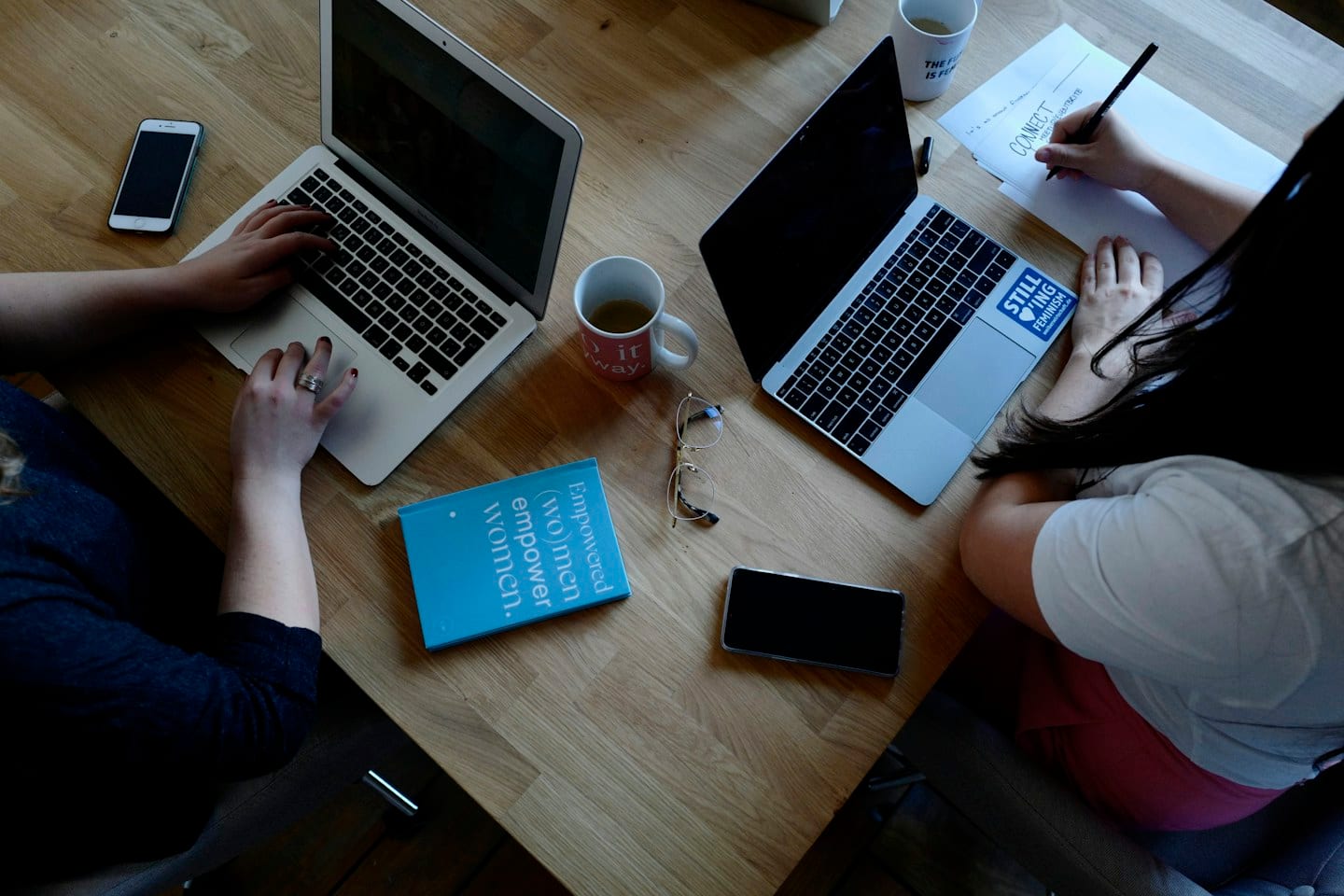
A heavy mahogany table or a flickering video screen—the setting of a pivotal meeting often matters less than the quality of the information on it. For those managing enterprises or property from a distance, the impulse is to fly in, sit in the room, and witness the decision-making process firsthand. Yet, the cost of travel and the time taken away from other operations present a significant tradeoff against the perceived value of being physically present.
Evaluating the weight of the choice
Before booking a flight, examine the nature of the decision at hand. Some choices are binary, requiring only a simple confirmation of a previously discussed direction. Others are nuanced, involving shifting variables that might benefit from a live, interactive dialogue. The goal is to determine if the decision requires a collaborative debate or merely a formal sign-off.
For example, if you are deciding whether to approve a specific renovation plan for a commercial space, you might weigh the benefit of seeing the physical site against the efficiency of reviewing high-resolution digital files. The tradeoff involves the certainty of physical inspection versus the speed and lower cost of remote review. If the plan is already detailed, the necessity of a trip changes.
The power of the written update
A meeting does not always require a gathering. Often, a structured written update can provide more clarity than a rushed conversation in a boardroom. A well-constructed document allows you to digest complex details at your own pace, providing a permanent record that a verbal summary lacks. This approach can transform a high-pressure meeting into a streamlined approval process.
When considering a written alternative, look for specific elements that mitigate the lack of physical presence. A useful update should include current progress, any new constraints that have emerged since your last contact, and a clear summary of the options available. If the document addresses the variables you are most concerned about, the need for a face-to-face encounter diminishes significantly.
Preparing for the dialogue
If the complexity of the matter dictates that a meeting must occur, arrive with a specific set of inquiries. Rather than observing the room, focus on the mechanics of the decision. Ask the stakeholders how the proposed path addresses the specific constraints you have identified. If the decision involves technical or structural changes to a property, ask which professionals have reviewed the plans and what their specific assessments entailed.
If there are legal or financial implications to the choice, ask who will be responsible for the next steps and how those responsibilities are documented. By shifting the focus from the atmosphere of the meeting to the substance of the inquiry, you ensure that the time spent is an investment rather than an expense.
Ultimately, the decision to attend or to request a written brief rests on the clarity of the information provided. If a detailed report can answer your most pressing questions, respect the efficiency of the written word. If the variables remain murky, prepare your questions and secure the necessary presence to resolve them.


