The arrival of a guest often brings a renewed sense of hospitality and a desire to showcase the best of local life. Whether it is a weekend brunch at a new bistro or a stroll through a regional park, the goal is shared enjoyment. However, when a guest arrives with specific physical requirements, the logistics of an outing shift from simple planning to a series of necessary verifications. Relying on general descriptions of a venue can lead to unexpected hurdles once you are already in transit.
The reality of the venue description
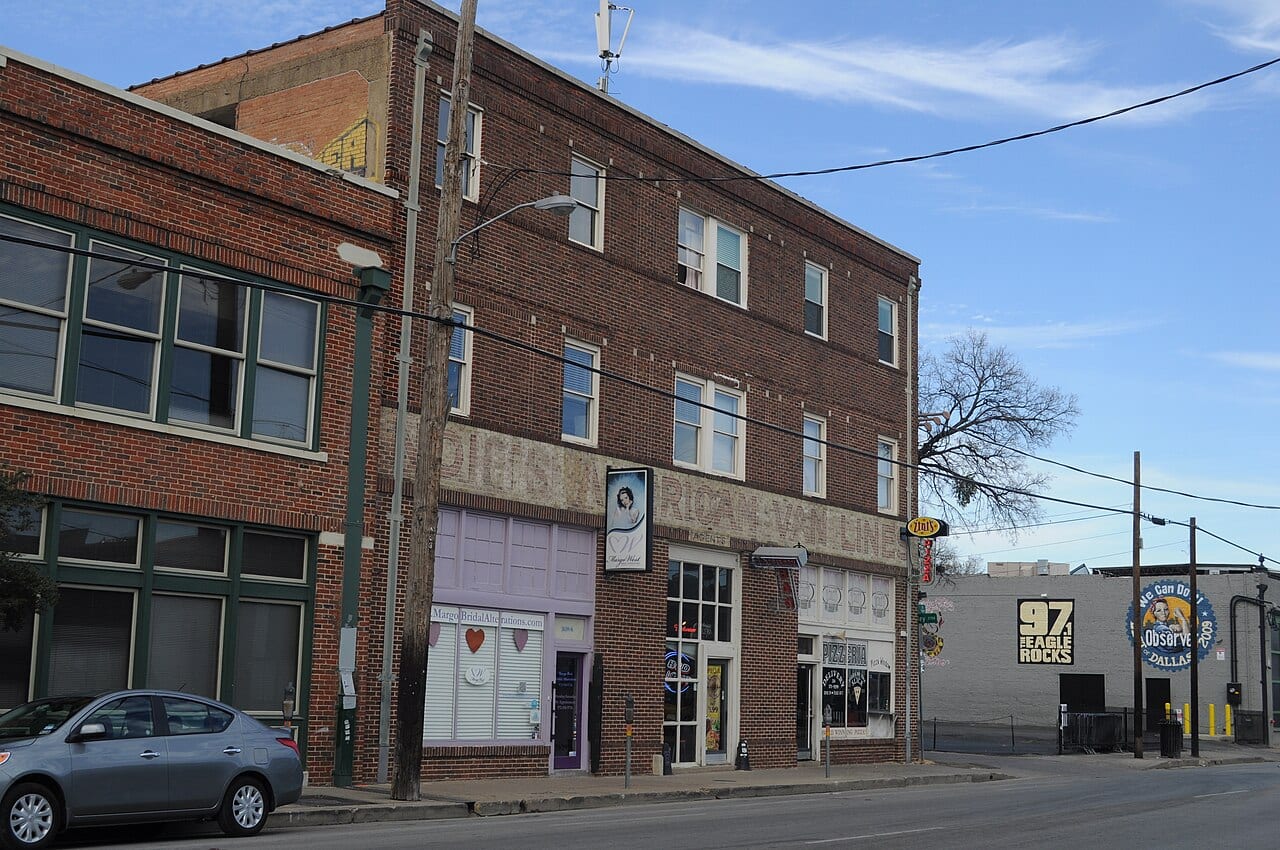
Publicly available information often uses broad terms to describe a location's suitability. A website might note that a venue is "accessible," but that term can encompass a wide range of physical realities. For a household preparing for a visitor, the tradeoff involves choosing between the charm of a historic, character-filled establishment and the predictable layout of a more modern facility. A historic building might offer a unique atmosphere, but it may also present uneven flooring or narrow thresholds that complicate movement.
For example, if you are planning a meal at a local restaurant known for its outdoor patio, the beauty of the setting might be offset by a gravel path or a single step at the entrance. Without direct inquiry, you may find yourselves seated in a location that is difficult to exit or navigate once the meal concludes. These physical details are rarely captured in a standard digital menu or a social media photo.
Asking the right questions
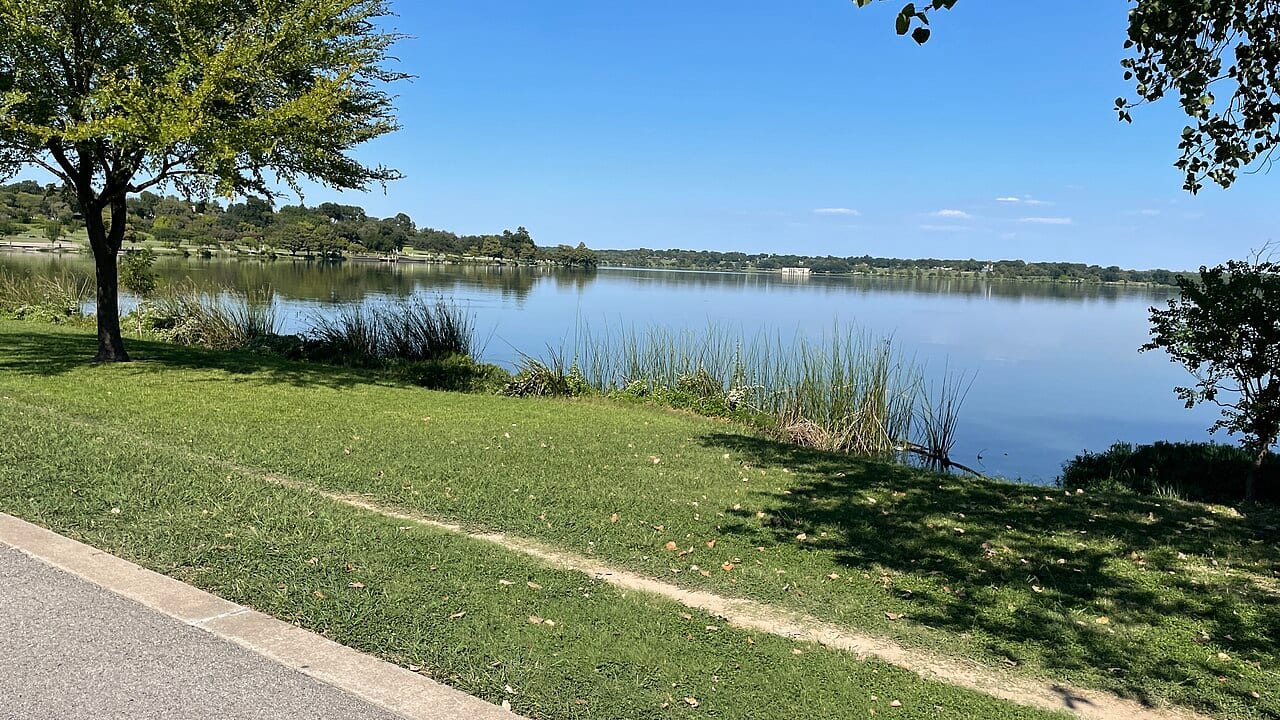
Rather than assuming a venue meets a guest's needs based on a photo or a brief summary, direct communication provides the clarity required for a smooth afternoon. When calling ahead, focus on the specific physical transitions a guest will encounter. You might ask the manager how the entrance is configured and whether there are any changes in floor levels between the dining area and the restrooms. If the outing involves an outdoor space, ask about the composition of the walking paths and the availability of shaded seating. Knowing the distance from the parking area to the main entrance can also help determine if a guest will need additional time or assistance.
Coordinating with your guests
The most effective way to ensure comfort is to engage in a direct conversation with the guest about their preferences and requirements. Every individual experiences mobility and comfort differently. Instead of guessing what might be difficult, ask your guest which specific environmental factors—such as steep inclines, heavy doors, or distance from parking—are most important to their ease of movement. This allows you to tailor your research to their actual experience rather than working from a set of assumptions.
Finalizing the itinerary
Once you have gathered information from both the venue and your guest, you can make an informed decision. If a venue cannot provide the specific access details you require, it may be better to select an alternative that offers more certainty. A successful outing is built on these small, proactive steps of verification, ensuring that the focus remains on the company rather than the obstacles encountered along the way.