This is a paid partner contribution. Commercial relationships are disclosed so readers can distinguish sponsored content from editorial guides.
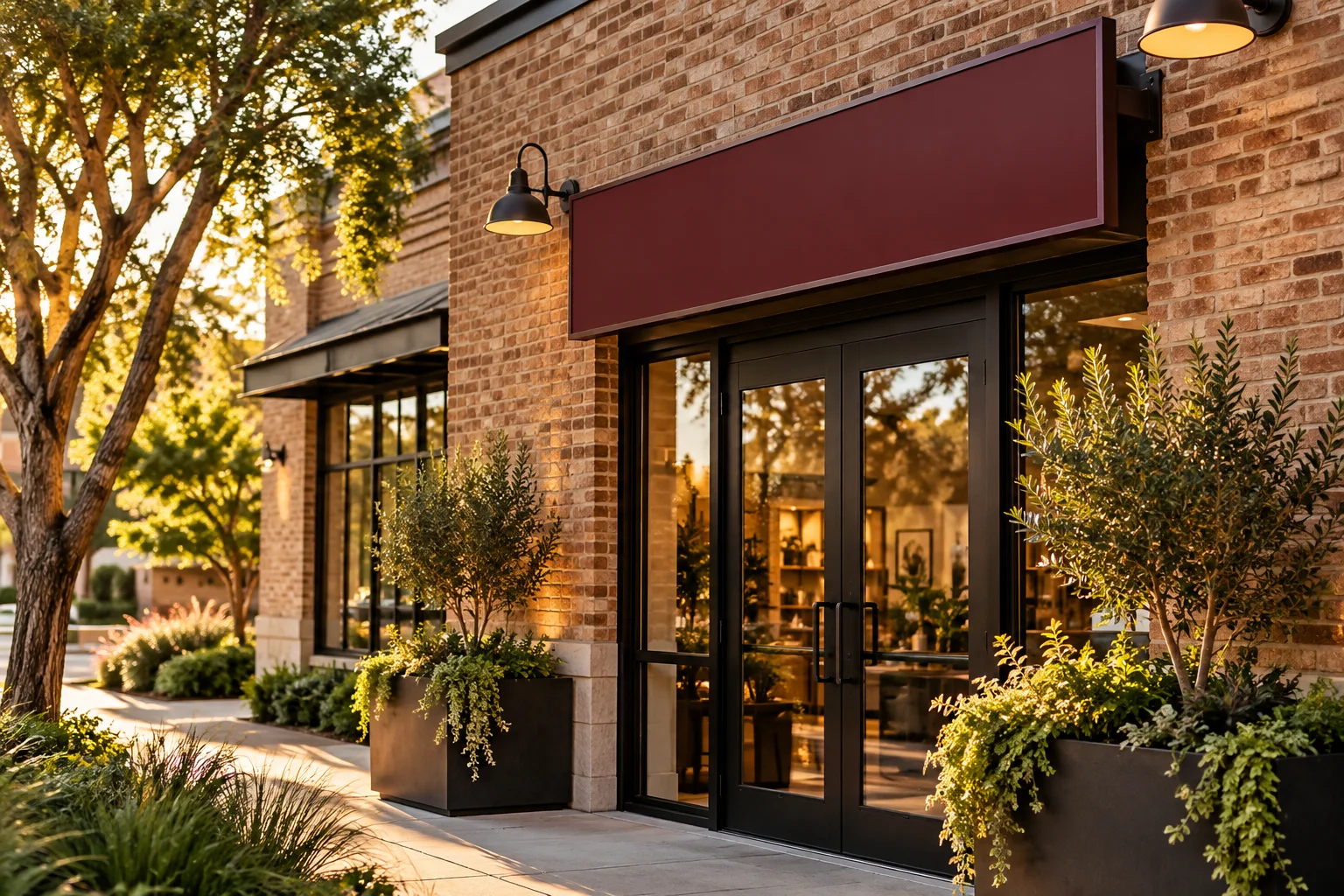
A storefront window, a lobby directory, or a roadside sign serves as a silent communicator for any business. These elements are often the first points of contact for a customer, yet they are frequently overlooked until something feels out of place. When a business undergoes a shift—whether that is a change in ownership, a rebranding effort, or a simple reorganization of services—the visual markers that once defined the space may no longer reflect the current reality.
Observing the visual shift
Walk through your entrance as if you were a first-time visitor. Look at the signage from the street, then from the sidewalk, and finally from the perspective of someone standing at your reception desk. Are the colors consistent with your current branding? Is the information on your door still accurate? Sometimes, the most subtle changes, such as a shift in the way you present your services, can make existing signage feel disconnected from the actual customer experience.
For example, if you have transitioned from a retail-heavy model to a service-oriented model, a sign that highlights product availability might inadvertently confuse new clients. This creates a tension between what a person sees upon arrival and what they find once they are inside. Identifying these gaps is the first step in deciding whether a minor update or a more significant overhaul is required.
Evaluating your display methods
Modern business environments often balance physical displays with digital ones. A permanent, printed sign offers stability and a classic look, while digital displays allow for frequent updates. Choosing between these requires weighing the need for permanence against the desire for flexibility. If your offerings change monthly, a static sign may become obsolete quickly; if your brand relies on a sense of tradition, a digital screen might feel too transient.
If you are considering moving toward more dynamic displays, you might ask a provider about the options available for content development for digital signs. Understanding how information is presented on a screen can help you decide if that medium fits your specific workflow and communication goals.
Preparing for a consultation
Before meeting with a specialist to discuss updates, gather the details of your current situation. Having a clear picture of your space allows for a more productive conversation. Note the dimensions of your existing signs, the materials they are made of, and the specific locations where you feel a change is necessary. It is also helpful to have your updated brand colors or logos ready for review.
During your meeting, ask questions that help you understand the practicalities of the work. You might ask how a new sign will be mounted or what the process looks like for updating existing hardware. To learn more about how a local partner approaches these needs, you can find more about FASTSIGNS of Dallas – Fair Park and their approach to local business support.
Deciding how to refresh your business's look involves comparing your current visual assets against your current business goals. Once you have identified where the old signage no longer matches your present operations, you can begin the process of aligning your physical presence with your actual services.


