A mood board, a swatch of fabric, or a digital rendering can feel like a final verdict. When a designer presents a concept that feels slightly off, the impulse is often to react to the aesthetic surface. You might find yourself saying, "I don't like that blue," or "That chair feels too heavy." While these reactions are honest, they rarely provide the designer with the tools necessary to pivot toward a solution that meets your actual needs.
Function Before Form
The friction in a design project often arises when personal preference is confused with functional requirement. A designer is tasked with balancing how a space looks with how it operates within your daily life. If a proposed layout feels wrong, the issue might not be the style of the furniture, but rather the way the room facilitates movement or light. Before suggesting a visual change, observe the intended use of the area. Is the primary goal a quiet space for reading, or a high-traffic zone for entertaining guests? Identifying the core purpose of the room allows you to frame your feedback around utility.
The Tradeoff of Familiarity
When a designer introduces an unfamiliar direction, it can trigger a desire to retreat toward what you already know. This creates a meaningful tradeoff between the comfort of the predictable and the potential of the new. Choosing a path that mirrors your current surroundings ensures immediate ease, but it may miss the opportunity to solve long-standing spatial issues. Conversely, embracing an unfamiliar concept can transform a room, though it requires a willingness to move away from established patterns.
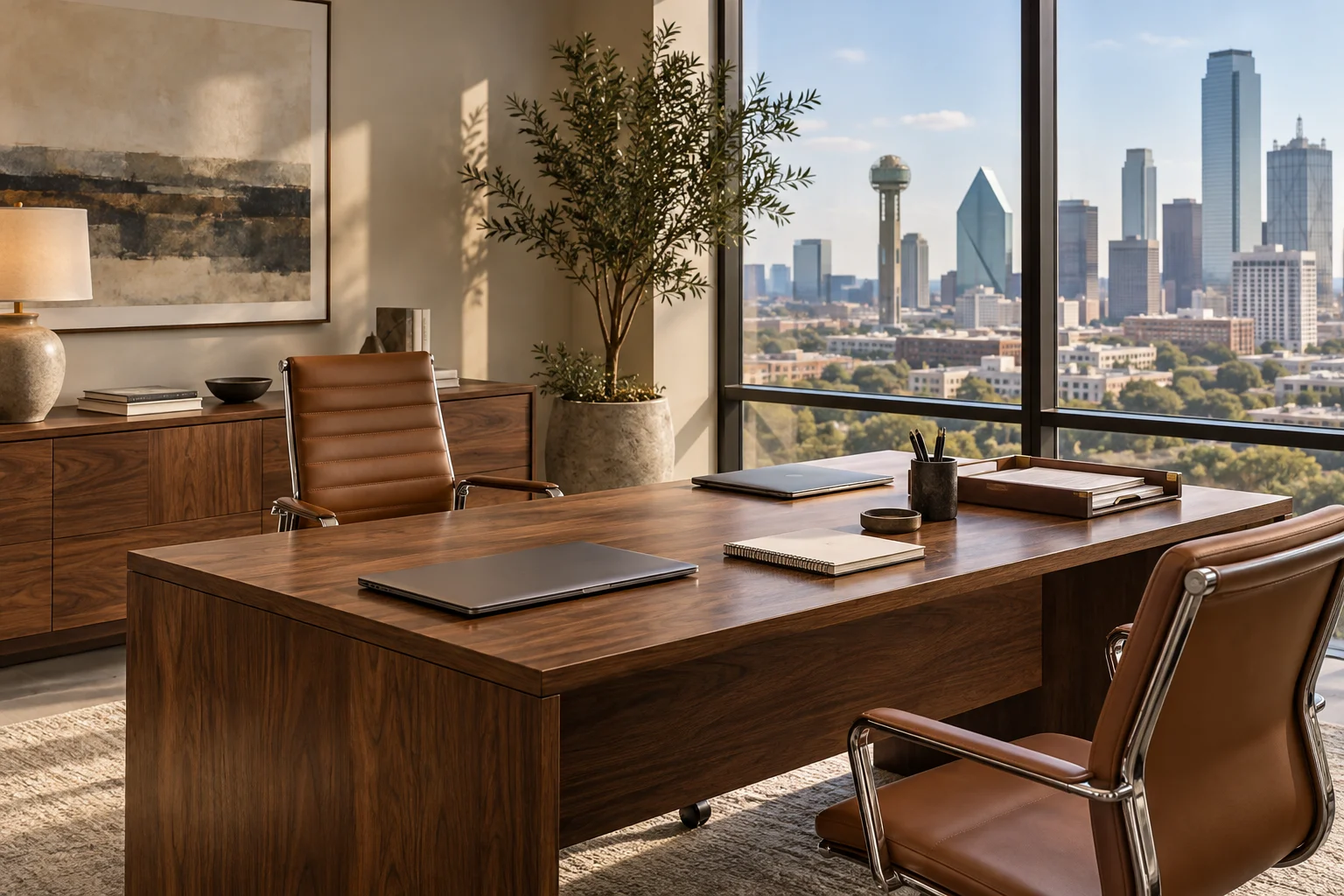
For example, if you are redesigning a home office, you might be tempted to select a desk and shelving unit that look exactly like the ones in your current study. However, if your current office feels cramped or poorly lit, simply replicating the aesthetic will not address the underlying problem. Instead of requesting a specific style, you might describe the struggle: "The current setup makes it difficult to transition from computer work to physical paperwork without feeling cluttered." This allows the designer to propose a layout that solves the clutter issue, even if the visual style is something you haven't considered before.
Refining the Request
To move a project forward, shift the conversation from what you dislike to what the space must accomplish. Instead of rejecting a material, ask how that choice impacts the durability or the atmosphere of the room. If a concept feels disconnected from your vision, ask the designer how the proposed elements support the specific activities you described during your initial consultation. By focusing on the relationship between the design and your lifestyle, you provide the clarity needed to reach a result that is both visually cohesive and practically sound.


