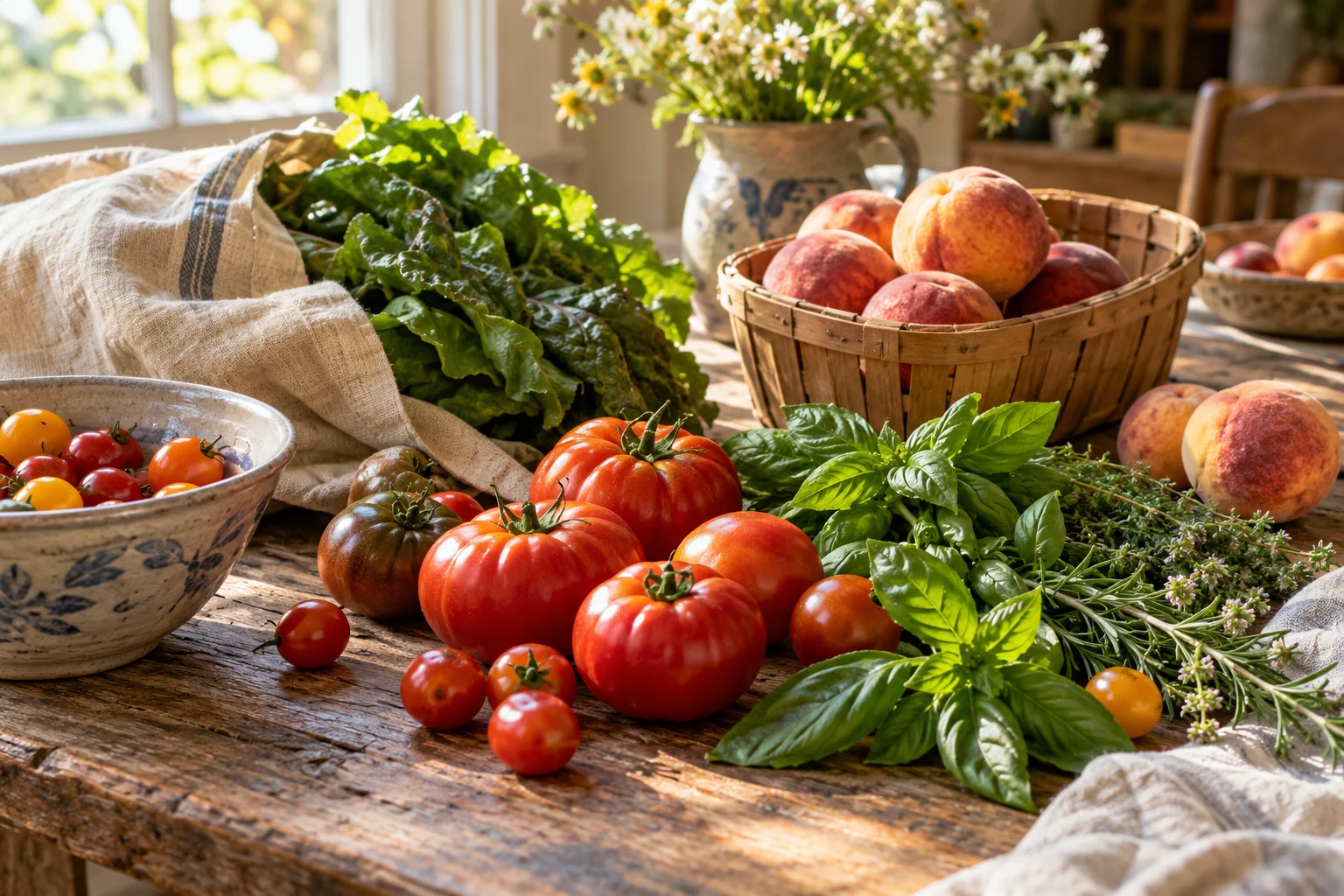
A heavy canvas bag filled with fresh produce and pantry staples sits on a kitchen counter, representing more than just a single evening's dinner. For those building a local life, the efficiency of a market run often relies on how many different directions a small set of ingredients can take. When you select items that bridge the gap between different flavor profiles, you reduce waste and increase the utility of every dollar spent at the local grocer.
The Core Selection
Consider a basket containing three distinct elements: sharp cheddar cheese, firm green apples, and a bag of hearty greens. On their own, these items are simple, but their value lies in their ability to pivot between savory and sweet applications. This selection avoids the trap of buying highly specialized components that only serve one specific recipe, which often leads to half-used containers sitting in the refrigerator.
Navigating Culinary Tradeoffs
The decision to shop this way involves a tradeoff between convenience and variety. Buying pre-packaged, single-use meal kits offers immediate ease, but it limits your ability to adapt to what you already have in your pantry. Conversely, selecting versatile staples requires a bit more mental heavy lifting to envision the end result. You are trading the instant gratification of a recipe box for the long-term flexibility of a modular kitchen.
For example, if you find yourself deciding between a heavy meal and something lighter, these same ingredients can shift roles entirely. You might slice the apples thin to pair with the cheese for a quick snack, or you could sauté the greens with a bit of oil and top them with crumbled cheddar and diced apples for a warm salad. The cheese acts as the bridge, providing fat and salt to the crisp fruit and the earthy greens.
Managing Remote Planning
This decision-making process becomes even more critical when you are coordinating a household from a distance. If you are managing a grocery delivery or sending a list to someone else, you cannot rely on visual cues or spontaneous substitutions. You must decide whether to request a rigid list of specific meal components or a flexible set of versatile building blocks. A rigid list ensures a specific dish is made, but a flexible list ensures that whatever is delivered can be used in multiple ways if a single ingredient is unavailable.
When planning from afar, ask the provider how they handle substitutions for specific items on your list. If a particular variety of apple or cheese is out of stock, will they replace it with something that maintains the versatility of your plan, or will it render the entire basket unusable for your intended meals? Resolving these questions before the order is placed allows you to maintain control over your kitchen's potential, regardless of where you are standing when the order is made.