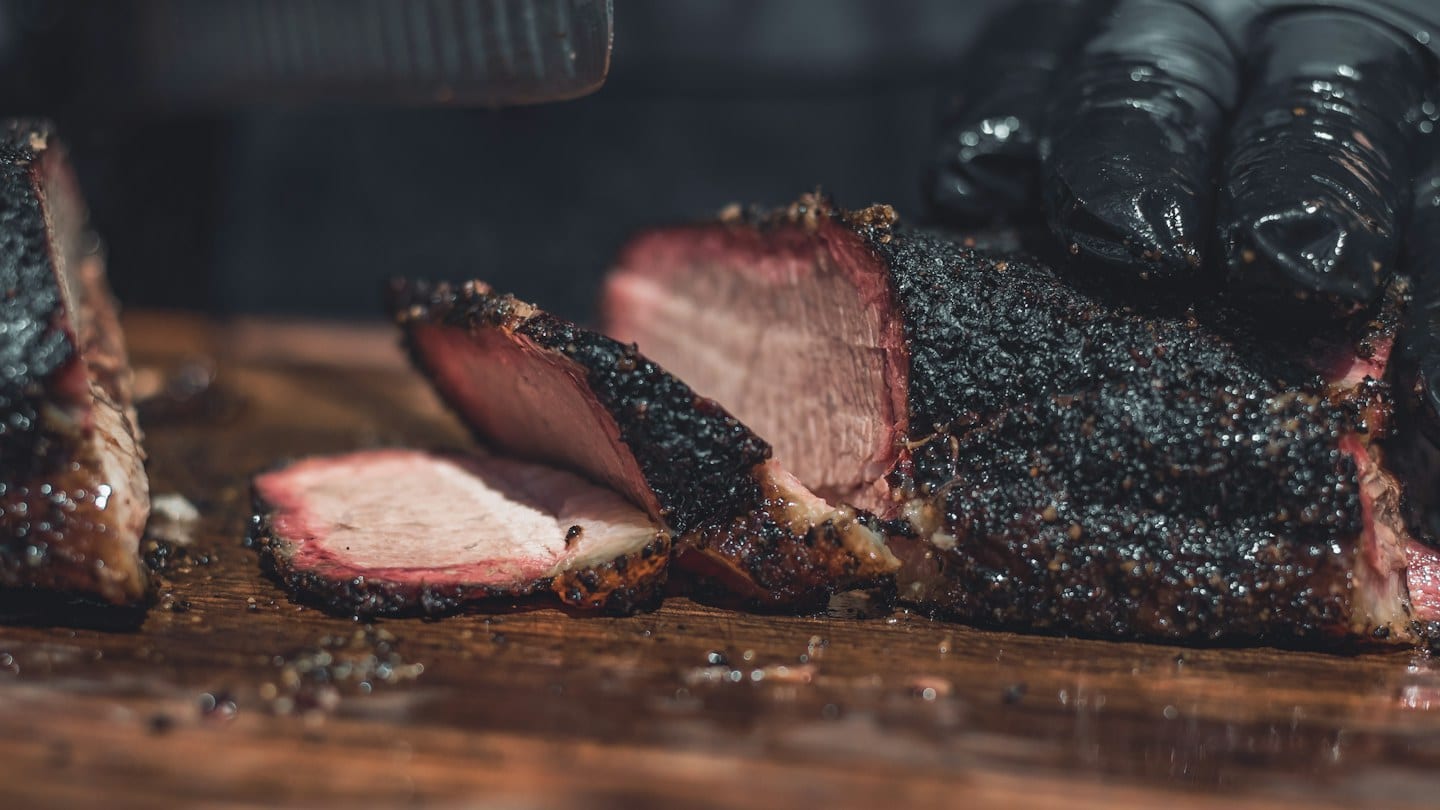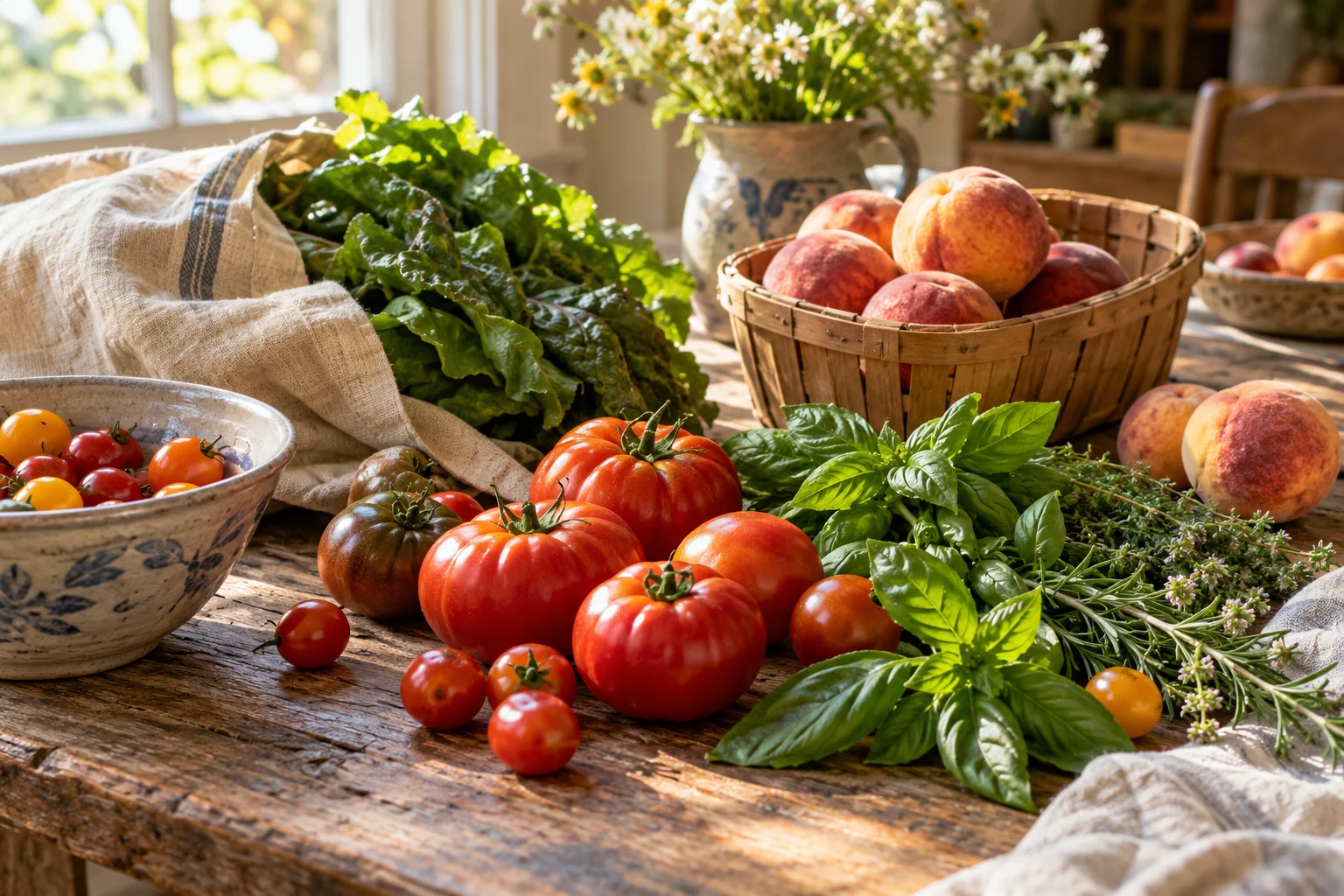
A heavy wooden board, a handful of small glasses, and a collection of distinct flavors sit at the center of the table. Hosting a tasting evening is a way to anchor local life, turning a simple evening of consumption into a shared intellectual exercise. However, the success of such an evening depends less on the quality of the ingredients and more on the structure of the conversation.
Defining the Selection
The first decision involves the scope of the menu. While it is tempting to present a vast array of options, a smaller, curated set allows for deeper focus. Selecting three or four distinct items prevents palate fatigue and keeps the group engaged. When choosing these items, consider the tension between the known and the unknown. A meaningful tradeoff exists between selecting items everyone recognizes and introducing something entirely new. The former offers comfort and a baseline for comparison, while the latter provides the spark of discovery.
For example, if you are hosting a tasting of honey, you might choose one widely available clover honey alongside a single, rare wildflower variety from a nearby producer. This setup allows guests to measure the unfamiliar against a standard they already understand, making the new experience less intimidating and more descriptive.
Recording the Nuance
To keep the evening from devolving into a mere popularity contest, provide guests with a way to record their observations. Rather than a scorecard that demands a numerical value, offer a simple notebook or a small card. Encourage guests to note specific qualities: the texture, the lingering aftertaste, or the scent. This shifts the focus from whether an item is "good" or "bad" to what it actually is. By documenting these sensory details, the group builds a collective vocabulary for the evening.
Navigating the Conversation
The most common pitfall in a tasting is the rush to rank. When one guest declares a favorite, it can inadvertently silence others who felt differently. To prevent this, steer the dialogue toward the characteristics of the items. If a disagreement arises, treat it as a point of interest rather than a conflict to be resolved. One person may find a specific acidity sharp, while another finds it refreshing; both observations are valid reflections of individual palates.
If you find that the group is struggling to articulate their thoughts, you might ask: How does the texture of this item change your perception of its flavor? or What specific note stands out most prominently to you? These prompts encourage descriptive responses rather than simple yes or no answers.
Ultimately, the goal is to cultivate a space where disagreement is part of the enjoyment. By limiting the selection, providing tools for observation, and prioritizing description over ranking, you transform a simple snack into a meaningful social ritual. The evening is successful when the guests leave not with a list of winners, but with a more refined understanding of their own tastes.